
Staying Safe on UTVs
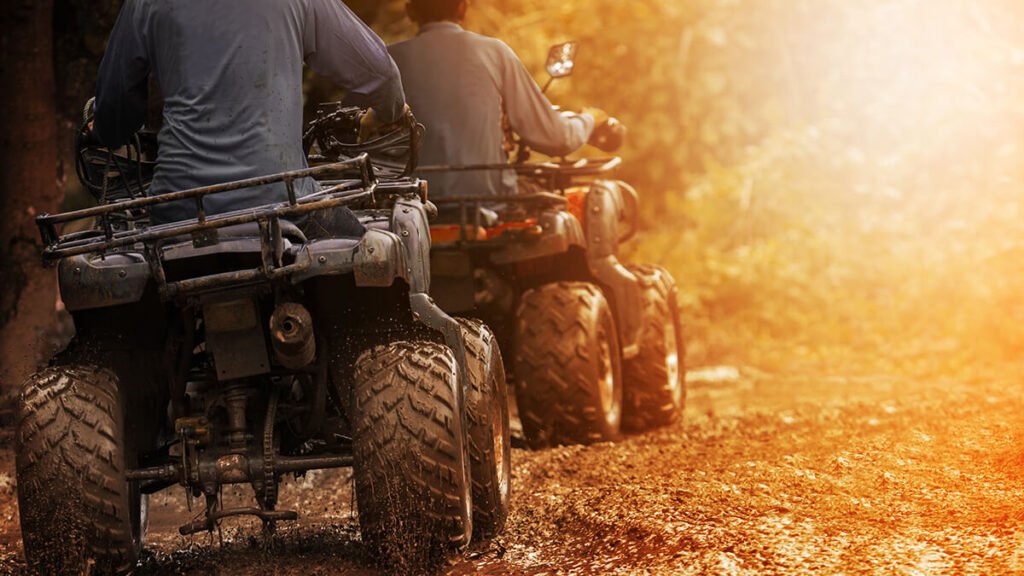
Staying safe on UTVs starts with knowledge—and we’re here to help you get the most out of your UTV or ATV experience. Wondering how safe side‑by‑sides really are? The answer depends on the rider and how well they understand the equipment.
That’s why we’ve put together a clear list of the most important UTV safety tips. From protective gear to smart driving habits, this guide gives you everything you need to ride confidently and responsibly.
1. Dress Appropriately with the Right Safety Gear
For the safest UTV experience, start with the right gear. At a minimum, riders should wear:
- Long pants and a long‑sleeved shirt for protection against brush and debris
- Sturdy, ankle‑high boots for grip and stability
- A DOT‑ or ECE‑approved helmet to protect against head injuries
👉 Gloves are highly recommended—they shield your hands from branches, rocks, and flying debris while improving grip on the wheel.
Helmets: Your Most Important Gear
A helmet is the single most critical piece of safety equipment. The best UTV helmets are Department of Transportation (DOT) approved, and in some cases, SNELL certified for the highest level of protection. Comfort and proper fit are essential—your helmet should feel secure without being restrictive.
Optional Upgrades for Extra Protection
Depending on how aggressive your riding style is, you may want to add:
- Chest protectors for impact resistance
- Motocross-style leggings and boots for reinforced coverage
- Knee protectors to help prevent joint injuries
These upgrades not only boost safety—they also give you a more professional, trail-ready look.
Goggles: Protect Your Eyes
Dusty trails and muddy paths make goggles essential. They protect your eyes from debris, wind, and branches while helping you maintain clear visibility. With styles ranging from budget-friendly to high-tech, goggles keep you safe and add a stylish finishing touch to your gear.
2. UTV Age Requirements
Age requirements for riding ATVs and UTVs vary by state and county. Before letting younger family members or friends ride, always check the specific laws and regulations in your area.
At Tow‑n‑Go, we want every rider to enjoy the safest possible experience. That means doing the proper research, following local rules, and making sure riders meet the minimum age and licensing requirements.
👉 As a general guideline:
- UTV drivers should be at least 16 years old and hold a valid driver’s license.
- Passengers must fit properly in the seat with seatbelts secured.
- Children too small for passenger seats should never ride.
By respecting age requirements and safety rules, you’ll help ensure every trail ride is fun, responsible, and risk‑free.
3. Ride Within Your Ability
UTVs deliver serious power, and it’s easy to get caught up in the thrill of the ride. But safety depends on knowing your limits. Pushing beyond your skill level can quickly turn a fun run into a dangerous situation.
The smartest riders aren’t the ones who go the fastest—they’re the ones who know when to ease off the throttle. Riding responsibly means staying in control, choosing terrain that matches your experience, and keeping speeds at a level where you feel confident and safe.
👉 Are ATVs and UTVs dangerous? Only if you ride dangerously. Everyone deserves a good time on the trails, and the best way to guarantee staying safe on UTVs is to ride within your ability, stay focused, and keep safety front and center.
4. Keep Your Limbs Inside
The best trail rides end with everyone coming home safe. And while your buddies might always have your back, the trees out there definitely won’t.
Keeping your hands, feet, and head inside the UTV is one of the simplest—and most important—safety habits you can follow. Loose limbs are vulnerable to branches, impacts, and sudden terrain changes. Stay inside the cab, stay in control, and stay safe.
If you’re wondering about the stability of your machine, you might find yourself asking, “Do side-by-sides tip over?” Like cars or ATVs, UTVs can tip only when the driver pushes the machine beyond its limits. That doesn’t make you a bad driver—every suspension system has a maximum amount of lateral force it can handle. Think of it like an SUV: drive responsibly, and you’re fine; drive recklessly, and even a stable vehicle can become top-heavy.
5. Keep Your Eyes on the Road
One of the most important aspects of UTV and ATV safety is staying focused on what’s ahead. Distractions can be just as dangerous off‑road as they are on the highway.
👉 When driving, avoid texting, calling, recording video, or even changing the music. Every second your eyes leave the trail increases the risk of hitting an obstacle, losing control, or endangering passengers.
Stay alert, keep both hands on the wheel, and give your full attention to the terrain in front of you. Safe riding means focused riding.
6. Handle Slopes With Care
Tackling steep terrain is part of the adventure—but it’s also where you need to be most intentional about how you ride. Keep yourself and your machine steady with these slope-smart tips:
- When climbing uphill:
Slide forward in your seat so your torso is positioned over the front wheels or handlebars. Shift into a lower gear before you begin the climb, then apply steady throttle to maintain smooth, controlled momentum. - When descending:
Shift your weight toward the rear of the vehicle. Use a lower gear, keep your speed slow, and apply the brakes gradually to stay in control all the way down.
7. Slow Down After Dark
Riding before daylight or after sunset is common during hunting season and short winter days—but darkness adds risk. To stay safe, adjust your speed and stay alert.
- Never overdrive your headlights. You should always be able to stop within the illuminated beam. Most ATV/UTV headlights are effective for about 200 feet, and at 30 mph your stopping distance is roughly 180 feet.
- Check your lights. Make sure headlights are clean, properly aimed, and working before heading out.
- Stick to familiar areas. Avoid exploring new terrain in the dark when visibility is limited.
- Carry emergency signaling gear. A flare or flashlight can be lifesaving if you get stranded.
- Wear reflective apparel. Increase visibility to other riders and vehicles with reflective clothing or gear.
👉 The key is simple: slow down, stay visible, and prepare for the unexpected when riding after dark.